


Amazon to offer pharmacy kiosks at One Medical clinics

Amazon to offer pharmacy kiosks at One Medical clinics
One Medical locations in the greater Los Angeles area will have a new feature later this year: Amazon Pharmacy kiosks that will make it possible for patients to pick up their prescriptions right after a medical appointment — without having to make a separate stop at a pharmacy.
“We know that when patients have to make an extra trip to the pharmacy after seeing their doctor, many prescriptions never get filled,” said Hannah McClellan, vice president of operations at Amazon Pharmacy. “By bringing the pharmacy directly to the point of care, we’re removing a critical barrier and helping patients start their treatment when it matters most — right away.”
Patients will have the option to have their provider send their prescriptions to Amazon Pharmacy for in-office kiosk pickup, Amazon noted in the announcement. They will then use their mobile phone to check out in the Amazon app and receive a QR code to scan at the kiosk, where their prescriptions typically will be ready in minutes, Amazon said.
“As clinicians, we see firsthand how delays in starting medication can impact treatment outcomes,” said Dr. Andrew Diamond, One Medical’s chief medical officer. “The ability to know a patient is leaving our office with their medication in hand — especially for conditions requiring immediate treatment, like infections —can make a meaningful difference in their care journey.”
Patients can use the Amazon app to see their upfront costs for the prescriptions, including any discounts and estimated copays, pay for the prescriptions, and have a consultation with an Amazon Pharmacy pharmacist if needed. They can also talk to a pharmacist via video at the kiosk, and the kiosks will be able to print instructions.
The kiosks will include commonly prescribed drugs, such as blood pressure medications, antibiotics, and inhalers, but controlled substances and medications that need to be refrigerated will not available, Healthcare Dive reported.
Fierce Healthcare reported that there will be no additional fee to use an Amazon Pharmacy kiosk for Prime or non-Prime members. Patients will need to have an Amazon Pharmacy account to use the kiosks.
Amazon said it expects to expand availability of the kiosks to additional One Medical offices and other locations soon after the initial deployment in the L.A. area.
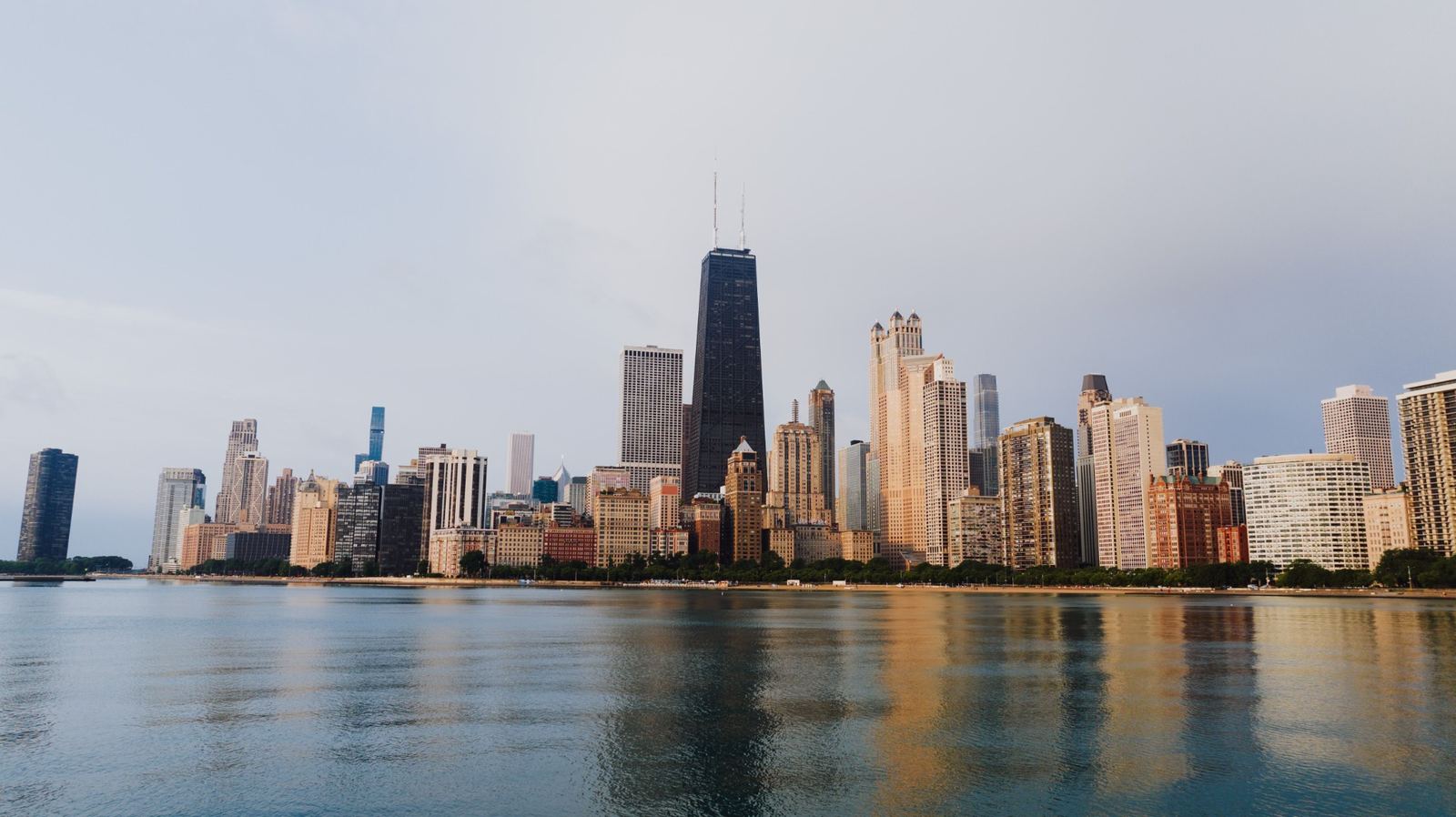
In separate but similar news, Advocate Health has installed prescription vending machines in two Chicago-area locations — Advocate Trinity Hospital in Calumet Heights and Advocate Medical Group’s Imani Village clinic in Pullman — and plans to install a third vending machine at Advocate South Suburban Hospital in Hazel Crest, Ill., by the end of the year.
The move is an effort to address pharmacy deserts in Chicago’s South Side. Becker’s Hospital Review reported, citing an article by the Chicago Tribune.
As with the Amazon Pharmacy kiosks, patients using Advocate’s prescription vending machines have the option to speak with a pharmacist by video.
And in other news, patients taking Novo Nordisk’s Ozempic or Wegovy (semaglutide) can now get a month’s supply of either drug for $499 at Costco and Sam’s Club — as long as they are members and are willing to pay out of pocket.
The list price is $1,349 for a month’s worth of Wegovy and nearly $1,000 for a month’s supply of Ozempic.
OUR TAKE: Pharmacy deserts are becoming more common, according to a research article by GoodRx. More than 48.4 million people in the U.S., or roughly 1 in 7 Americans, live in an area where filling a prescription means taking a “lengthy drive” (more than 15 minutes). That’s up from 41.2 million people in 2021 who lived in a pharmacy desert.
In the last five years, more than 1,300 pharmacies have closed, according to the article, which was updated in March.
That total has increased since then, with Rite Aid recently closing all of its remaining locations and Walgreens continuing to close stores through the company’s Footprint Optimization Program. CVS also said in June that it planned to close 271 stores in 2025 as part of its restructuring plan.
This doesn’t take into account the independent community pharmacies that have been driven out of business — largely due to financial pressures exacerbated by pharmacy benefit managers.
The research by GoodRx indicates that 45% of U.S. counties are pharmacy deserts. (The article shows a map of the counties.) In nonmetropolitan areas, residents’ average round-trip travel time is 85 minutes, with an average distance of 36 miles to get to a pharmacy. Even in metro areas where pharmacy deserts exist, the average round-trip drive is 53 minutes to cover an average distance of 18 miles.
In places such as Navajo and Apache counties in Arizona, tens of thousands of residents must travel between an hour and a half to more than 3 hours round trip, on average.
It’s unlikely that Amazon will be adding pharmacy kiosks anytime soon in rural areas. Rural hospitals and health systems are struggling to survive, and most don’t have the resources to implement programs like the prescription vending machines Advocate Health has installed.
Unfortunately, according to the GoodRx article, on average, nearly 9 in 10 people living in a pharmacy desert are in a rural area.
But initiatives like these by Amazon and Advocate Health can make a difference in urban areas where pharmacy deserts exist. This may be true particularly for older and low-income patients, for whom lack of transportation is often a barrier to accessing essential prescription medications.
And services like Amazon Pharmacy’s free home delivery for Prime members can have an impact as well, in both rural and urban areas.
Difficulty accessing medications is just one of numerous barriers to better adherence, of course, but for some patients, technology like these automated dispensing machines may be just the ticket to keeping a chronic condition under control. In some cases, it may even be life-saving.
What else you need to know
Novo Nordisk agreed to acquire Akero Therapeutics for about $4.7 billion in cash, up front. Akero, based in San Francisco, develops treatments for metabolic diseases with a high unmet medical need. The company’s lead candidate, efruximfermin, is a fibroblast growth factor 21 analog in Phase III development as a once-weekly subcutaneous treatment for patients with moderate to advanced liver fibrosis and patients with cirrhosis. The investigational drug, Novo Nordisk noted in a news release, is a potential best-in-class treatment for metabolic dysfunction-associated steatohepatitis, or MASH.
Under the agreement, the Danish drugmaker could pay another $500 million if efruximfermin is approved as a treatment for compensated cirrhosis due to MASH. Akero’s board of directors has unanimously approved the acquisition, which is expected to close in late 2025 or early 2026 if regulatory authorities approve it and other customary closing conditions are met. The deal is a “strategic and portfolio fit,” Novo Nordisk noted, as more than 40% of patients with MASH also have type 2 diabetes, and more than 80% of patients with MASH are overweight or living with obesity.
“MASH destroys lives silently — and efruximfermin has the potential to change that by reversing liver damage. If approved, we believe it could become a cornerstone therapy, alone or together with Wegovy (semaglutide) to tackle one of the fastest-growing metabolic disease of our time,” said Mike Doustdar, Novo Nordisk’s CEO.
Qualtrics agreed to invest $6.75 billion to acquire Press Ganey Forsta, a market research firm based in South Bend, Ind., that works with more than 41,000 hospitals, health plans, and life sciences organizations internationally. Qualtrics also works within the health care industry, providing products to analyze patient experience, manage regulatory requirements for value-based care, and collect patient feedback on telehealth visits, Healthcare Dive noted. In an Oct. 6 press release, Zig Serafin, Qualtrics’ CEO, said, “Combining Qualtrics’ AI platform with Press Ganey Forsta’s trusted analytics and deep expertise creates an opportunity to deliver exceptional value and measurable outcomes for our customers. There’s no more important proving ground for experience management than health care, where better experiences for patients and employees directly impact better outcomes and quality of care.”
Qualtrics, which has dual headquarters in Provo, Utah, and Seattle, is an AI-powered customer engagement company owned by private equity firm Silver Lake. Press Ganey is currently owned by Ares Management and private equity firm Leonard Green & Partners. If regulators approve the deal and other customary closing conditions are met, the companies said they expect to complete the transaction “in the coming months.”
Amgen launched a direct-to-patient program Monday called AmgenNow “in support of the Trump administration’s efforts to lower [drug] prices.” Repatha (evolocumab), which is used to lower LDL cholesterol and reduce cardiovascular risks, is the first of Amgen’s drugs to be available through the program. Patients using AmgenNow can get Repatha for $239 per month, or nearly 60% less than the drug’s U.S. list price. Amgen said the program is open to all U.S. patients, including those who are uninsured or in high-deductible health plans, those who prefer to pay out of pocket, and Medicare and Medicaid beneficiaries. The company said it plans to make AmgenNow accessible through the TrumpRx website.
Mayo Clinic launched a program to accelerate clinical development and help biopharma and medical device companies bring their products to market more quickly. The program, called Mayo Clinic Platform_Orchestrate, gives collaborators access to Mayo Clinic’s de-identified clinical data, advanced AI tools, physician-scientist expertise, and international partner network, according to an Oct. 1 news release. The health system noted that the program can facilitate discovery (through access to real-world clinical data and bio specimens), validation (through rigorous testing and refinement of AI models and digital solutions), and deployment (through scalable infrastructure).
AstraZeneca is the second drug company to strike a most-favored-nation pricing deal with the White House, announcing on Friday that it would offer discounts of up to 80% on the list price of drugs sold directly to consumers through the TrumpRx platform. In exchange, the company’s products will be exempt from certain tariffs for three years. The agreement is similar to one Pfizer made on Sept. 30.
Karen Hanlon has been appointed president of Highmark Health, the Pittsburgh-based parent company of insurer Highmark Inc., Allegheny Health Network, and enGen, a health technology enterprise. Hanlon has served as Highmark Health’s chief operating officer since 2018, a role she will maintain in addition to her new responsibilities as president. She joined Highmark Health in 1997, according to the announcement, and became the company’s chief financial officer in 2014. David Holmberg is Highmark Health’s CEO and board chair.
D.C. developments
As many as 1,300 employees at the Centers for Disease Control and Prevention received reduction-in-force notices Friday night advising them they would be laid off as part of the administration’s mass job cuts during the federal shutdown, Reuters and other news outlets reported. By Saturday evening, however, hundreds of the notices apparently had been rescinded. An unspecified number of CDC employees were mistakenly fired due to a “coding error,” Politico reported, citing an official and an employee with the Department of Health and Human Services, both of whom were granted anonymity to speak about the layoffs.
What we’re reading
More than 30% of this century’s science Nobel prizewinners immigrated: see their journeys. Nature, 10.9.25
Myostatin Blocker Preserves Muscle With GLP-1 Treatment. Medscape, 10.6.25 (registration required)
Can AI Help Deliver CMS’s Value-Based Care Agenda? Health Affairs, 10.3.25



Subscribe to Our Take
Sign up for Our Take Newsletter: highly curated, expert weekly strategic insights for health care executives.